Interactive Literary Therapy: A Structured, Arab-Rooted Approach to Healing Through Literature
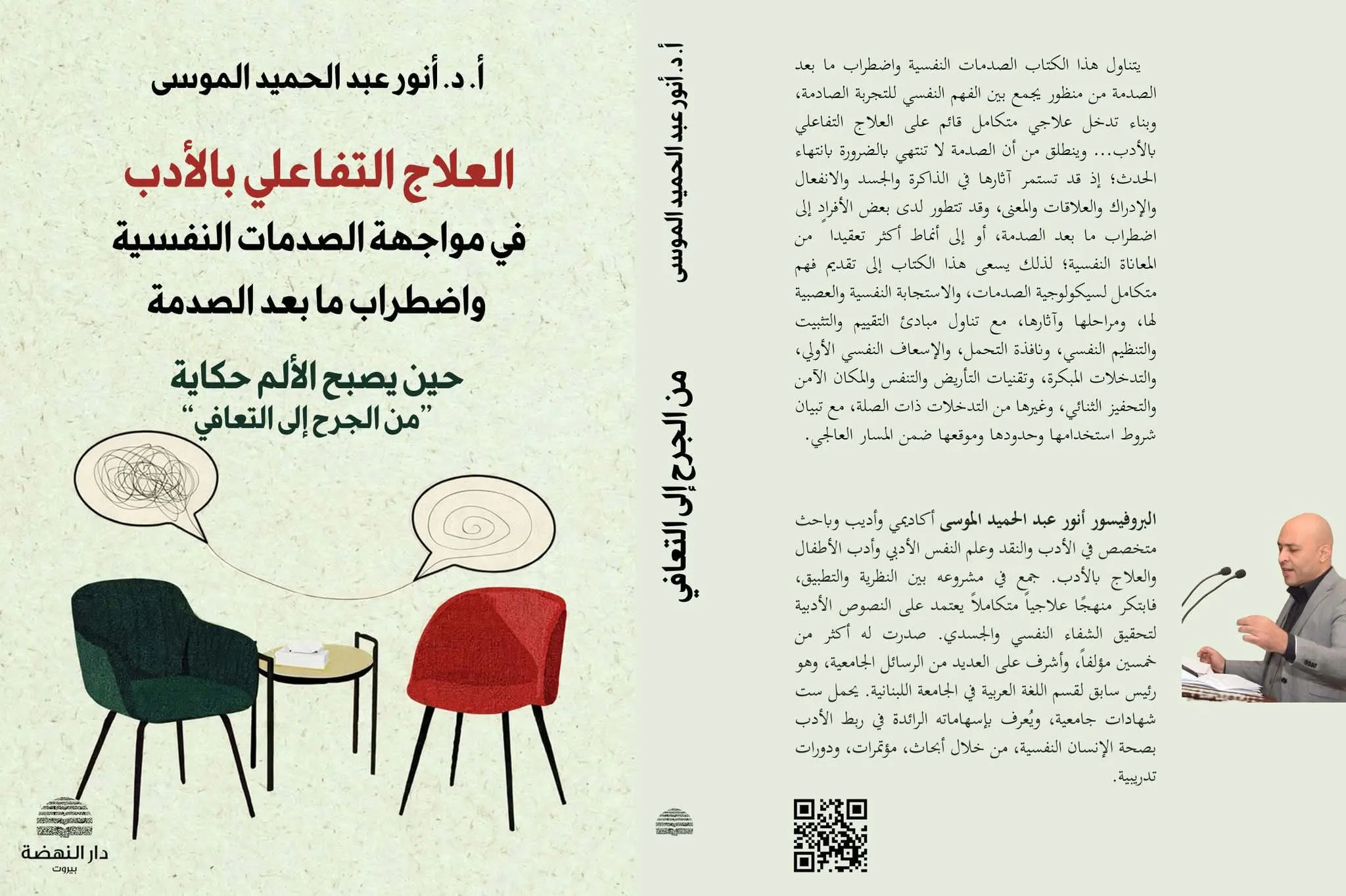
Literature has comforted people for centuries, yet few frameworks explain how a text becomes part of a therapeutic process. Interactive Literary Therapy (ILT), developed by Prof. Dr. Anwar Abdel Hamid Al-Moussa, is a pioneering Arab therapeutic school that answers this question: healing arises from the interaction of three elements, the person, the text and the therapist or guide. The text is not a “pill” that works on its own; it works within a safe, guided relationship.
A structured session. ILT is designed for brief therapy, where a single session follows a clear sequence: (1) guided reading of a carefully chosen text; (2) discussion and dialogue, in which the person’s reactions, associations and projections are explored; (3) expression, in which the person puts the experience into their own words. Across the process, the model moves through psychological safety, text selection by psychological criteria, interactive reading, conscious and unconscious projection, narrative reframing and the integration of new meaning.
Developing the techniques. The author continues to refine the method and to articulate new techniques, including the use of poetic rhythm and meter as psychological cues for emotional regulation, and the reading of defense mechanisms (projection, identification, displacement, rationalization, repression, humor) as they appear in a person’s response to a text. The framework integrates dynamic, humanistic and interactive foundations and draws on clinical psychology, narrative therapy, reception theory and literary criticism. It is applied to trauma and post-traumatic stress, with explicit attention to the limits of what can be claimed scientifically.
Why Arabic literature. The Arabic literary heritage, with its poetry, rhythm, rhetoric and narrative traditions, offers rich and culturally resonant material for therapeutic reading. ILT seeks to give it a systematic place in mental-health care in the Arab world and beyond.
Two Arabic books present the approach: Literary Therapy: Theory, Method and Practice and Interactive Literary Therapy. abjjad.com/book/1034086055972 · abjjad.com/book/1034102308866
Researchers, clinicians, educators and librarians in bibliotherapy, narrative medicine and trauma-informed care are warmly invited to get in touch: [anwarmosa1976@gmail.com]
Keywords: interactive bibliotherapy, literary therapy, brief therapy, trauma, PTSD, narrative therapy, Arabic literature.
العربية
العلاج التفاعلي بالأدب: مقاربة منظَّمة متجذرة في الثقافة العربية للتعافي عبر الأدب
يواسي الأدب الناس منذ قرون، لكن قلّما تشرح الأطر العلاجية كيف يصير النص جزءًا من مسار علاجي. والعلاج التفاعلي بالأدب، الذي طوّره الأستاذ الدكتور أنور عبد الحميد الموسى، مدرسة علاجية عربية رائدة تجيب عن هذا السؤال: ينشأ التعافي من تفاعل ثلاثة عناصر هي الإنسان والنص والمعالج أو المرشد. فالنص ليس «حبة دواء» تعمل وحدها، بل يعمل داخل علاقة آمنة موجَّهة.
جلسة منظَّمة. صُمّم المنهج للعلاج المختصر، وتسير الجلسة الواحدة فيه وفق تسلسل واضح: (1) قراءة موجَّهة لنص مختار بعناية؛ (2) نقاش وحوار تُستكشف فيهما ردود فعل الشخص وتداعياته وإسقاطاته؛ (3) تعبير يصوغ فيه الشخص تجربته بكلماته. وعبر المسار كله ينتقل النموذج بين الأمان النفسي، واختيار النصوص وفق معايير سيكولوجية، والقراءة التفاعلية، والإسقاط الواعي وغير الواعي، وإعادة الصياغة السردية، وتكامل المعنى الجديد.
تطوير التقنيات. يواصل المؤلف تطوير المنهج وتوضيح تقنياته الجديدة، ومنها توظيف الإيقاع والوزن الشعري منبهين نفسيين للتنظيم الانفعالي، وقراءة آليات الدفاع النفسي (الإسقاط والتماهي والإزاحة والتبرير والكبت والفكاهة) كما تظهر في استجابة الشخص للنص. ويقوم الإطار على أسس ديناميكية وإنسانية وتفاعلية، ويستند إلى علم النفس العيادي والعلاج السردي ونظريات التلقي والنقد الأدبي. ويُطبَّق على الصدمات واضطراب ما بعد الصدمة مع الوعي بحدود ما يصح ادعاؤه علميًا.
لماذا الأدب العربي. يقدّم التراث الأدبي العربي، بشعره وإيقاعه وبلاغته وتقاليده السردية، مادة غنية وقريبة من الوجدان الثقافي للقراءة العلاجية، ويسعى المنهج إلى أن يمنحه موقعًا منهجيًا في الرعاية النفسية في العالم العربي وخارجه.
يعرض الكتابان الأساسان المنهج: «العلاج بالأدب: النظرية والمنهج والتطبيق» و«العلاج التفاعلي بالأدب». abjjad.com/book/1034086055972 · abjjad.com/book/1034102308866
ندعو الباحثين والمعالجين والتربويين وأمناء المكتبات إلى التواصل: anwarmosa1976@gmail.com
Deutsch
Interaktive Literaturtherapie: Ein strukturierter, arabisch verwurzelter Ansatz zur Heilung durch Literatur
Literatur tröstet Menschen seit Jahrhunderten, doch nur wenige Konzepte erklären, wie ein Text Teil eines therapeutischen Prozesses wird. Die Interaktive Literaturtherapie (Interactive Literary Therapy, ILT) von Prof. Dr. Anwar Abdel Hamid Al-Moussa ist eine bahnbrechende arabische Therapieschule, die darauf antwortet: Heilung entsteht aus dem Zusammenspiel dreier Elemente, nämlich Mensch, Text und Therapeut bzw. Begleiter. Der Text wirkt nicht wie eine „Tablette“ von selbst, sondern innerhalb einer geschützten, begleiteten Beziehung.
Eine strukturierte Sitzung. Das Verfahren ist für die Kurzzeittherapie konzipiert; eine einzelne Sitzung folgt einem klaren Ablauf: (1) angeleitetes Lesen eines sorgfältig ausgewählten Textes; (2) Besprechung und Dialog, in denen Reaktionen, Assoziationen und Projektionen erkundet werden; (3) Ausdruck, in dem die Person die Erfahrung in eigene Worte fasst. Im Gesamtprozess durchläuft das Modell psychische Sicherheit, Textauswahl nach psychologischen Kriterien, interaktives Lesen, bewusste und unbewusste Projektion, narrative Neudeutung und die Integration neuer Bedeutung.
Weiterentwicklung der Techniken. Der Autor entwickelt die Methode weiter und erläutert neue Techniken, darunter den Einsatz von poetischem Rhythmus und Versmaß als psychische Impulse zur Emotionsregulation sowie das Lesen von Abwehrmechanismen (Projektion, Identifikation, Verschiebung, Rationalisierung, Verdrängung, Humor) in der Reaktion auf einen Text. Der Ansatz verbindet dynamische, humanistische und interaktive Grundlagen und stützt sich auf klinische Psychologie, narrative Therapie, Rezeptionstheorie und Literaturkritik. Er wird bei Trauma und posttraumatischer Belastung angewandt, wobei die Grenzen wissenschaftlicher Aussagen ausdrücklich benannt werden.
Warum arabische Literatur. Das arabische literarische Erbe mit seiner Dichtung, seinem Rhythmus, seiner Rhetorik und seinen Erzähltraditionen bietet reiches, kulturell vertrautes Material für therapeutisches Lesen. ILT will ihm einen systematischen Platz in der psychischen Versorgung in der arabischen Welt und darüber hinaus geben.
Zwei Bücher (auf Arabisch) stellen den Ansatz vor: Literaturtherapie: Theorie, Methode und Praxis und Interaktive Literaturtherapie. abjjad.com/book/1034086055972 · abjjad.com/book/1034102308866
Forschende, Klinikerinnen, Klinikern, Pädagogen und Bibliothekare sind herzlich eingeladen, Kontakt aufzunehmen: [anwarmosa1976@gmail.com]
فارسی
درمان ادبی تعاملی: رویکردی ساختارمند و ریشهدار در فرهنگ عربی برای بهبود از راه ادبیات
ادبیات قرنهاست که به انسانها آرامش میدهد، اما کمتر چارچوبی توضیح میدهد که یک متن چگونه بخشی از فرایند درمانی میشود. «درمان ادبی تعاملی» (Interactive Literary Therapy) که پروفسور دکتر انور عبدالحمید الموسی آن را پرورانده، مکتبی درمانیِ پیشرو در جهان عرب است و به این پرسش پاسخ میدهد: بهبود از تعامل سه عنصر پدید میآید: انسان، متن، و درمانگر یا راهنما. متن «قرص»ی نیست که خودبهخود اثر کند، بلکه در یک رابطه امن و هدایتشده عمل میکند.
جلسهای ساختارمند. این روش برای درمان کوتاهمدت طراحی شده و هر جلسه از توالی روشنی پیروی میکند: (۱) خوانش هدایتشده یک متن برگزیده؛ (۲) گفتوگو و بحث برای کاوش واکنشها، تداعیها و فرافکنیهای فرد؛ (۳) بیان، که در آن فرد تجربه خود را با واژههای خویش میگوید. در کل فرایند، الگو از امنیت روانی، گزینش متن بر پایه معیارهای روانشناختی، خوانش تعاملی، فرافکنی آگاهانه و ناآگاهانه، بازنویسی روایی و یکپارچهسازی معنای تازه میگذرد.
توسعه فنون. نویسنده روش را همچنان توسعه میدهد و فنون تازه را توضیح میدهد، از جمله بهکارگیری ریتم و وزن شعری بهعنوان نشانههای روانی برای تنظیم هیجان، و خوانش سازوکارهای دفاعی (فرافکنی، همانندسازی، جابهجایی، توجیه، واپسرانی، شوخطبعی) آنگونه که در واکنش فرد به متن پدیدار میشود. این چارچوب بر پایههای پویشی، انسانگرایانه و تعاملی استوار است و از روانشناسی بالینی، درمان روایی، نظریههای دریافت و نقد ادبی بهره میبرد. درباره تروما و اختلال استرس پس از سانحه به کار میرود، با توجه صریح به مرزهای ادعاهای علمی.
چرا ادبیات عربی. میراث ادبی عربی، با شعر، ریتم، بلاغت و سنتهای رواییاش، مادهٔ غنی و نزدیک به ذهن و فرهنگ برای خوانش درمانی فراهم میکند و این رویکرد میکوشد جایگاهی نظاممند برای آن در مراقبت روانی در جهان عرب و فراتر از آن بیابد.
دو کتاب (به زبان عربی) این رویکرد را معرفی میکنند: «درمان با ادبیات: نظریه، روش و کاربست» و «درمان ادبی تعاملی». abjjad.com/book/1034086055972 · abjjad.com/book/1034102308866
پژوهشگران، درمانگران، مربیان و کتابداران برای ارتباط دعوت میشوند:
Italiano
Terapia letteraria interattiva: un approccio strutturato, radicato nella cultura araba, per la guarigione attraverso la letteratura
La letteratura consola le persone da secoli, ma pochi modelli spiegano come un testo diventi parte di un processo terapeutico. La Terapia letteraria interattiva (Interactive Literary Therapy, ILT), sviluppata dal prof. dr. Anwar Abdel Hamid Al-Moussa, è una scuola terapeutica araba pionieristica che risponde a questa domanda: la guarigione nasce dall’interazione di tre elementi, la persona, il testo e il terapeuta o accompagnatore. Il testo non è una «pillola» che agisce da sola, ma opera all’interno di una relazione sicura e guidata.
Una seduta strutturata. Il metodo è pensato per la terapia breve e una singola seduta segue una sequenza chiara: (1) lettura guidata di un testo scelto con cura; (2) discussione e dialogo, in cui si esplorano reazioni, associazioni e proiezioni della persona; (3) espressione, in cui la persona mette in parole la propria esperienza. Nell’intero percorso il modello attraversa sicurezza psicologica, scelta dei testi secondo criteri psicologici, lettura interattiva, proiezione consapevole e inconsapevole, rielaborazione narrativa e integrazione di nuovi significati.
Sviluppo delle tecniche. L’autore continua a perfezionare il metodo e a chiarire nuove tecniche, tra cui l’uso del ritmo e della metrica poetica come stimoli psicologici per la regolazione emotiva e la lettura dei meccanismi di difesa (proiezione, identificazione, spostamento, razionalizzazione, rimozione, umorismo) così come emergono nella risposta di una persona a un testo. Il quadro integra basi dinamiche, umanistiche e interattive e si fonda su psicologia clinica, terapia narrativa, teoria della ricezione e critica letteraria. Si applica al trauma e allo stress post-traumatico, con esplicita attenzione ai limiti di ciò che si può affermare scientificamente.
Perché la letteratura araba. Il patrimonio letterario arabo, con la sua poesia, il suo ritmo, la sua retorica e le sue tradizioni narrative, offre un materiale ricco e culturalmente vicino per la lettura terapeutica, e l’ILT vuole assegnargli un posto sistematico nella cura della salute mentale nel mondo arabo e oltre.
Due libri (in arabo) presentano l’approccio: Terapia con la letteratura: teoria, metodo e pratica e Terapia letteraria interattiva. abjjad.com/book/1034086055972 · abjjad.com/book/1034102308866
Ricercatori, clinici, educatori e bibliotecari sono invitati a mettersi in contatto: ]
中文
互动式文学疗法:一种结构化、植根于阿拉伯文化的文学疗愈方法
数百年来,文学一直在抚慰人们,但很少有框架能解释文本如何成为治疗过程的一部分。安瓦尔·阿卜杜勒·哈米德·穆萨(Anwar Abdel Hamid Al-Moussa)教授博士提出的“互动式文学疗法”(Interactive Literary Therapy)是一个开创性的阿拉伯治疗流派,对此给出了回答:疗愈源于三个要素的互动,即人、文本以及治疗师或引导者。文本不是自行起效的“药丸”,而是在安全、有引导的关系中发挥作用。
结构化的单次治疗。该方法面向短程治疗,每一次治疗都遵循清晰的顺序:(1)对精心挑选的文本进行引导式阅读;(2)讨论与对话,探索当事人的反应、联想与投射;(3)表达,由当事人用自己的话语呈现这一体验。在整个过程中,模型依次涉及心理安全感、依据心理学标准选择文本、互动式阅读、有意识与无意识的投射、叙事重构以及新意义的整合。
技术的发展。作者持续完善这一方法并阐明新的技术,其中包括把诗歌的节奏与格律用作情绪调节的心理提示,以及解读当事人面对文本时呈现的防御机制(投射、认同、移置、合理化、压抑、幽默)。该框架融合动力取向、人本取向和互动取向,借鉴临床心理学、叙事治疗、接受理论和文学批评,并应用于创伤与创伤后应激,同时明确说明科学结论的界限。
为何选择阿拉伯文学。阿拉伯文学遗产以其诗歌、节奏、修辞和叙事传统,为治疗性阅读提供了丰富且贴近文化心灵的素材;该方法希望使它在阿拉伯世界及其他地区的心理健康服务中占据系统性的位置。
两部阿拉伯语著作介绍了这一方法:《文学疗法:理论、方法与实践》和《互动式文学疗法》。abjjad.com/book/1034086055972 · abjjad.com/book/1034102308866
欢迎研究者、临床工作者、教育者和图书馆员与我们联系:[anwarmosa1976@gmail.com]